













Suna & İnan Kıraç Museum
The Suna & İnan Kıraç Museum, a must-see stop during your Kaleiçi tour, awaits you with Antalya’s culture, Byzantine exhibitions, and historic architecture.
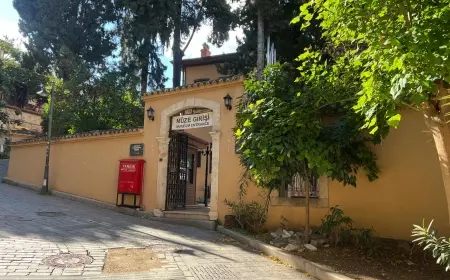
Today, I would like to take you to a very special place in Kaleiçi. At first glance, it may resemble the Antalya Ethnography Museum, but once you step inside, you immediately realize that it has a completely different identity. I’m talking about the Suna & İnan Kıraç Museum, which is also known as the Mediterranean Civilizations Research Center.
Before describing the museum itself, it is important to mention one of the names behind this valuable institution: Suna Kıraç. We lost her in 2020. She served for many years as Vice Chair of the Board of Koç Holding and was a distinguished philanthropist who left a lasting mark through her contributions to museology, the education of Turkish children, science, and culture. Together with her husband, İnan Kıraç, she undertook numerous significant projects dedicated to Turkey’s cultural heritage.
Operating under the Koç Foundation since 1996, the Mediterranean Civilizations Research Center has made important contributions to culture, art, and academic research for nearly 30 years through scientific projects, publications, and exhibitions. In 2016, the center was restructured and expanded into a more comprehensive institution.
An Experience Intertwined with Culture in Kaleiçi
For me, the presence of such a museum within the enchanting atmosphere of Kaleiçi is also a source of pride for the local community. The museum not only introduces visitors to Antalya’s culture, civilization, and way of life, but also offers the opportunity to closely observe the traditional architectural style of Kaleiçi houses. Through its temporary exhibitions, it continues to present art, history, and culture to the people of Antalya.
The History of the Suna & İnan Kıraç Museum
The museum buildings were purchased by Suna & İnan Kıraç between 1993 and 1995 and, following an extensive restoration process, were opened to visitors as a private museum. The restoration was carried out by Dr. Sinan Genim, and the museum officially opened on May 18, 1996.
The main objective of this project is to document Kaleiçi and traditional Turkish culture and to pass this heritage on to future generations.
Museum Buildings and Sections
The Traditional Antalya House
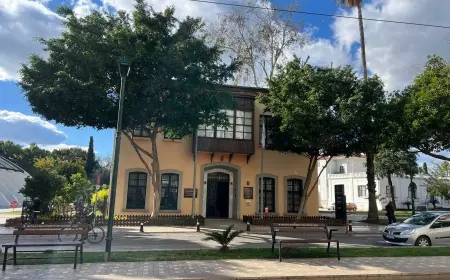
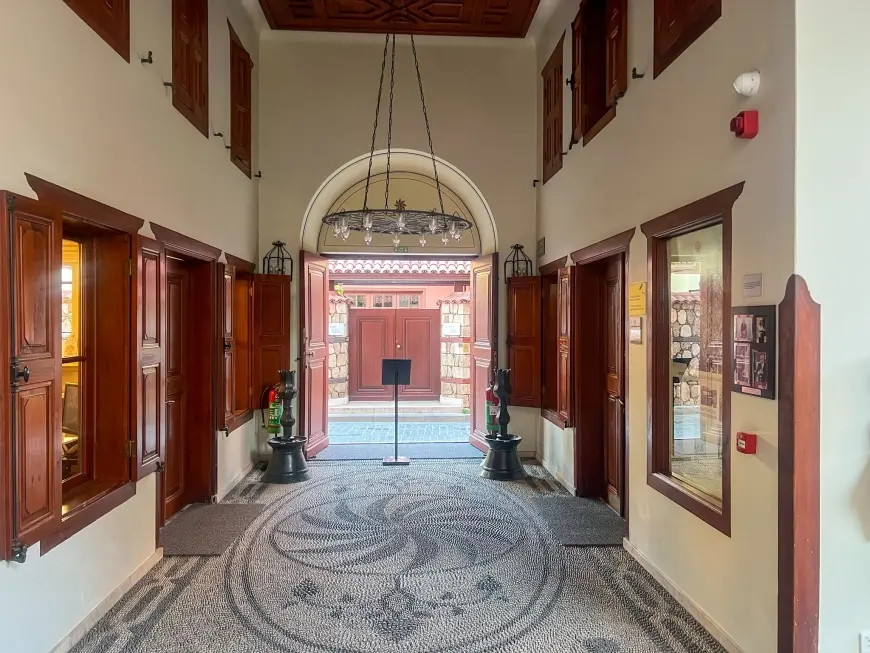
The main building of the museum is a classic, two-story, outward-sofa Antalya house dating back to the 19th century. The courtyard floor, decorated with pebbles collected from Konyaaltı Beach, creates a striking visual impression from the very first step.
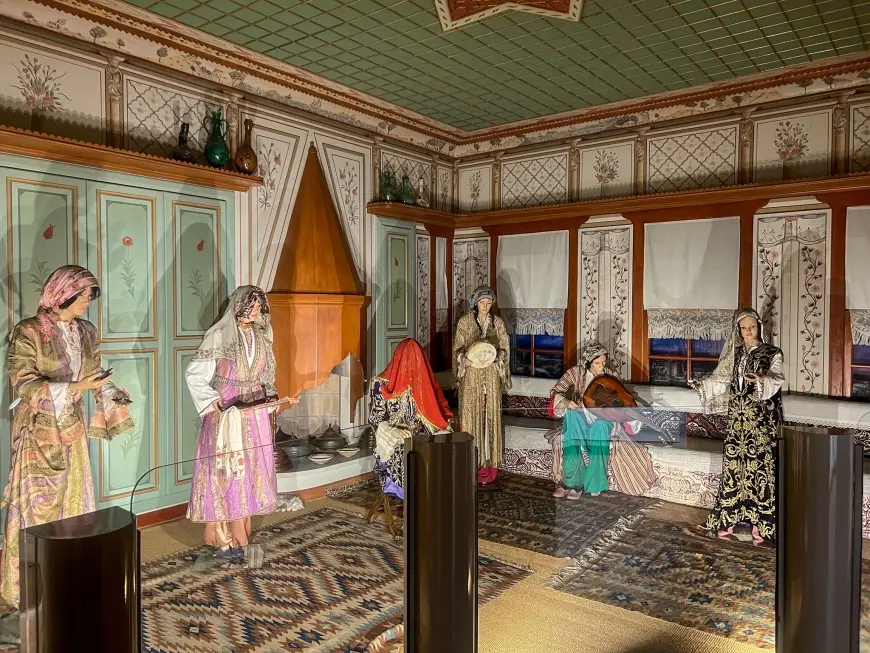
On the second floor, scenes brought to life with wax figures depict the daily life of the people of Antalya in the past. These reconstructions help visitors form a direct and personal connection with the museum.
Scenes on display include:
- Coffee service
- Groom shaving
- Henna night
In the corridor section, you can see 19th-century household items and read texts written about Antalya by famous travelers. The period clothing, carpets and kilims, furniture, and ceilings adorned with wooden slats convey the living conditions of the past in a very powerful way.
Aya Yorgi (St. George) Church
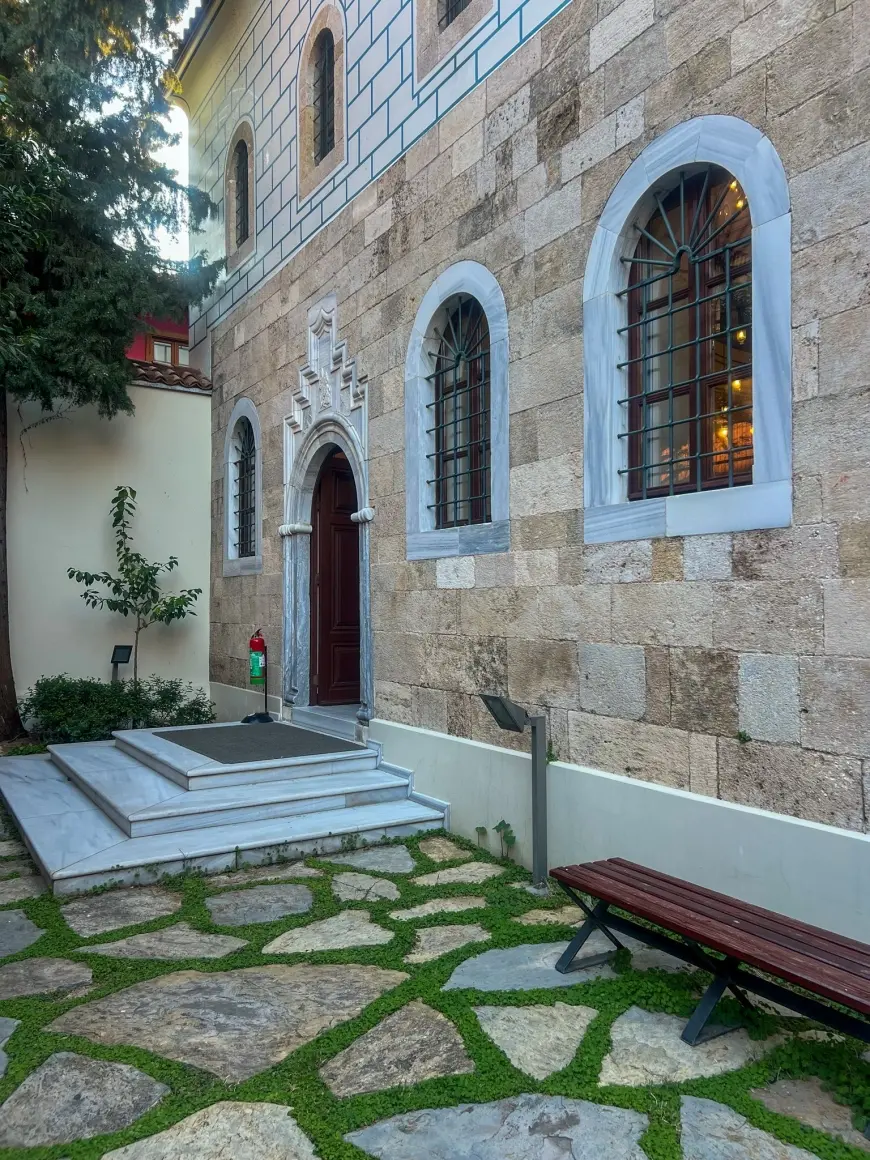
The second structure, accessed through the courtyard, is the Aya Yorgi Church, an Orthodox Greek church. An inscription on the eastern entrance reads:
“This Aya Yorgi Church existed from ancient times. When it fell into ruin, it was rebuilt by the Christians living in Antalya. Year 1863.”
After losing its congregation following the population exchange between Turkey and Greece in 1920, the church remained unused for many years. Due to neglect and being used as a storage space, much of its original wooden craftsmanship was lost. The building was purchased by Suna & İnan Kıraç in 1991 and has been used as an exhibition hall since 1996.
The interior of the church is decorated with shades of blue to symbolize heaven, featuring simple hand-painted motifs and plaster ornaments.
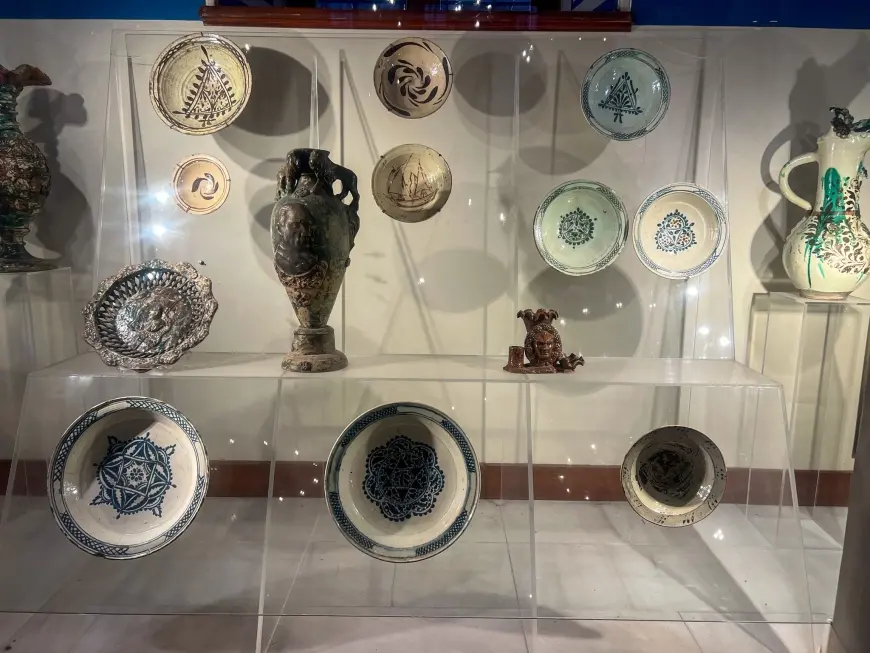
Today, this building hosts the history, culture, and art exhibition titled “Reflections of the Byzantine World.” The exhibition presents the cultural, artistic, and historical heritage of the Byzantine Empire through objects such as vases, plates, and pitchers, taking visitors on a journey through time.
Note: Exhibitions change periodically. The Reflections of the Byzantine World exhibition is open to visitors until May 31, 2026.
Visitor Information
Location: Antalya / Kaleiçi
Entrance Fee:
- Students: 30 TL
- Adults: 60 TL
Average Visiting Time: 30–45 minutes
The Suna & İnan Kıraç Museum is open to visitors every day between 9:00 AM and 6:00 PM. It is closed on Mondays.
Dine in Antalya tip: If you start your Kaleiçi tour in the morning, you can visit the museum in a calmer and more peaceful atmosphere.
Things to Know Before You Go
- Kaleiçi has stone-paved streets, so comfortable shoes are recommended
- Summer afternoons can be quite hot
- Photography is allowed inside the museum
- The museum offers a quiet and tranquil atmosphere
Who Is It Suitable For?
✅ Culture and history enthusiasts
✅ Those who want to get to know Antalya more closely
✅ Visitors looking to enrich their Kaleiçi itinerary with a meaningful stop
✅ Travelers seeking a short yet impressive museum experience
Frequently Asked Questions
How long does it take to visit the Suna & İnan Kıraç Museum?
On average, it takes between 30 and 45 minutes.
Is it suitable for children?
Yes, but the exhibition content is mainly aimed at adults. Younger children may have a shorter attention span.
Is Museum Pass (MüzeKart) valid?
No. Entry is available via card or cash payment.
Conclusion: A Must-See Stop in Kaleiçi
Overall, I really enjoyed the Suna & İnan Kıraç Museum. Although there are aspects that could be further developed, the Byzantine exhibition in the Aya Yorgi Church particularly impressed me. The richness of the Byzantine Empire in cultural terms was truly surprising.
If you find yourself in Kaleiçi, I highly recommend adding this special museum to your travel route.
What is your reaction?